Watch Water Resistance Explained: What 5 ATM and 10 ATM Mean
The water resistance rating on a watch is one of the most misunderstood specifications. A watch rated "5 ATM" is not made for diving to 50 metres. Here is what each rating really means in daily life.
What ATM means
ATM stands for atmospheres, a unit of pressure. The rating shows the static pressure the case was tested to resist in laboratory conditions. Real-life movement, such as a swimming stroke or a dive into a pool, creates much higher pressure than standing still, so the rating is not a safe depth.
Water resistance ratings explained
- 3 ATM (30 m): splashes and rain. Take it off before washing up or swimming.
- 5 ATM (50 m): everyday wear, hand washing, rain and brief contact with water. Not suitable for diving or snorkelling.
- 10 ATM (100 m): swimming and water sports near the surface. Not suitable for scuba diving.
- 20 ATM (200 m) and above: designed for more demanding water activities; true diving watches carry a specific diver's certification.
Most of our sport and chronograph watches are rated 5 ATM, and several, such as the Apex Chrono and Legacy Chrono ranges, are rated 10 ATM. You will find the rating in the specifications of every watch in our chronograph collection.
How to protect your watch around water
- Never press chronograph pushers or pull out the crown while the watch is wet.
- Avoid hot showers, saunas and hot tubs: heat and steam can affect the seals.
- Rinse the watch with fresh water after contact with salt water or chlorine, then dry it with a soft cloth.
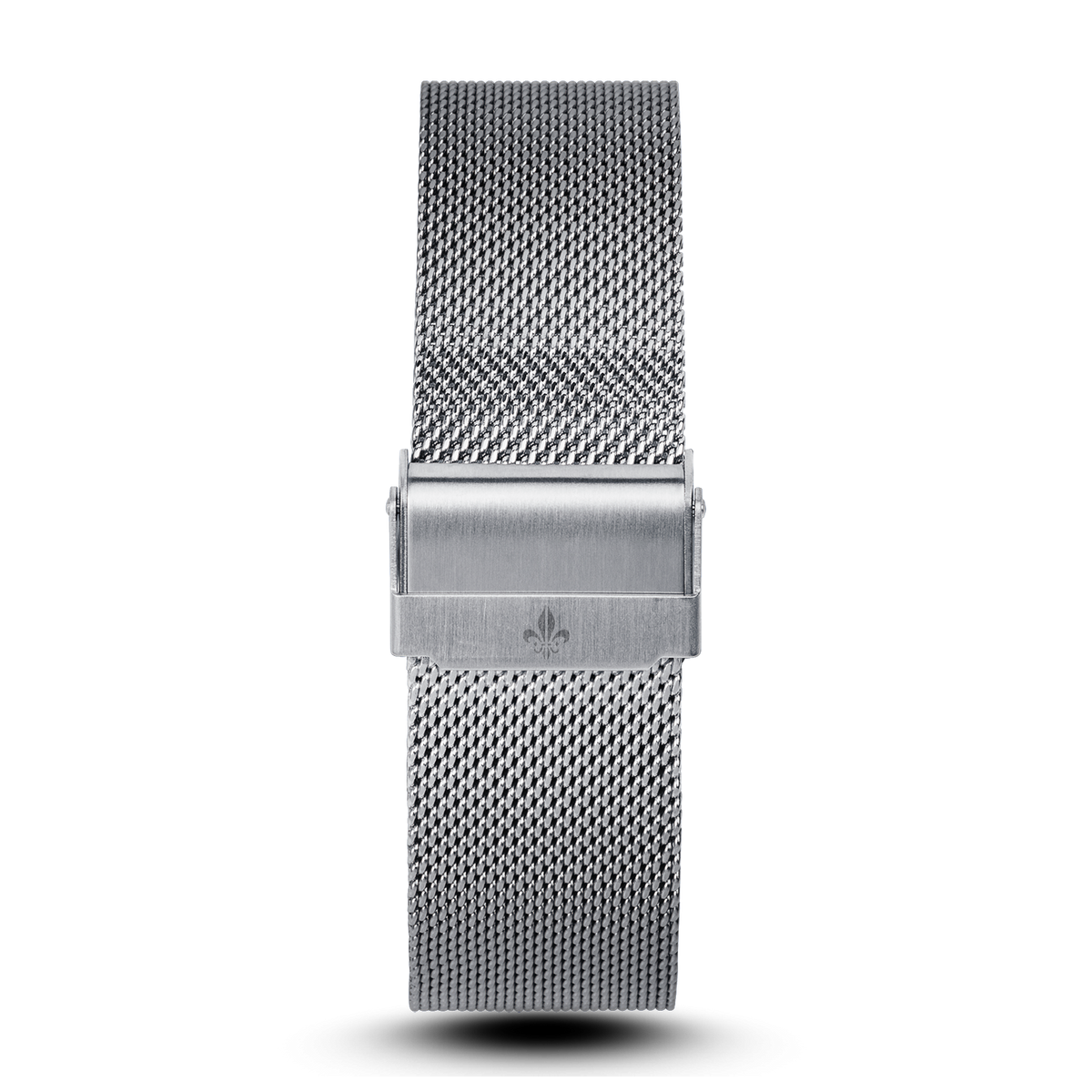
- Leather straps should be kept dry; choose a silicone or steel mesh strap for summer and sport.
- Seals age over time, so have water resistance checked when the battery is changed or the watch is serviced.
Planning to wear your watch by the pool? A silicone strap is the perfect companion: see our interchangeable straps.